Info4 June 202618 views
Direct-to-Retailer Sportswear: A Smarter Way to Source Inventory
A
AdminDirect-to-Retailer Sportswear: A Smarter Way to Source Inventory
If you run a sportswear retail store, ecommerce business, distribution network, or local apparel shop, one challenge remains constant:
How do you source quality inventory at the right price without locking up too much capital?
Traditionally, retailers relied on multiple layers within the supply chain. Products moved from manufacturers to distributors, wholesalers, stockists, and eventually retailers before reaching the end customer.
While this model still exists, many retailers are now exploring a more efficient approach:
Direct-to-Retailer Sportswear Supply
This model helps retailers source products closer to the manufacturing source while improving visibility, speed, and flexibility.
What is Direct-to-Retailer Sportswear Supply?
Direct-to-retailer sportswear sourcing is a model where retailers purchase products directly from manufacturers or manufacturer-connected inventory systems rather than through multiple intermediaries.
The objective is simple:
Better pricing transparency
Faster inventory replenishment
Greater product availability
Improved customization options
Better communication and support
For sportswear retailers, this can significantly simplify inventory management.
Why Traditional Sportswear Sourcing Can Be Challenging
Many retailers experience common challenges such as:
Inconsistent stock availability
Multiple middlemen
Slow product replenishment
Limited customization options
Unclear pricing structures
Long communication chains
These challenges become even more significant during peak seasons, sports tournaments, school admissions, or local event periods when demand can increase rapidly.
Retailers need systems that help them react quickly to market demand.
The Benefits of Direct-to-Retailer Sourcing
Faster Access to Inventory
One of the biggest advantages of direct-to-retailer sourcing is speed.
When inventory visibility is available, retailers can make faster purchasing decisions and replenish stock without unnecessary delays.
This is especially important for high-demand categories such as:
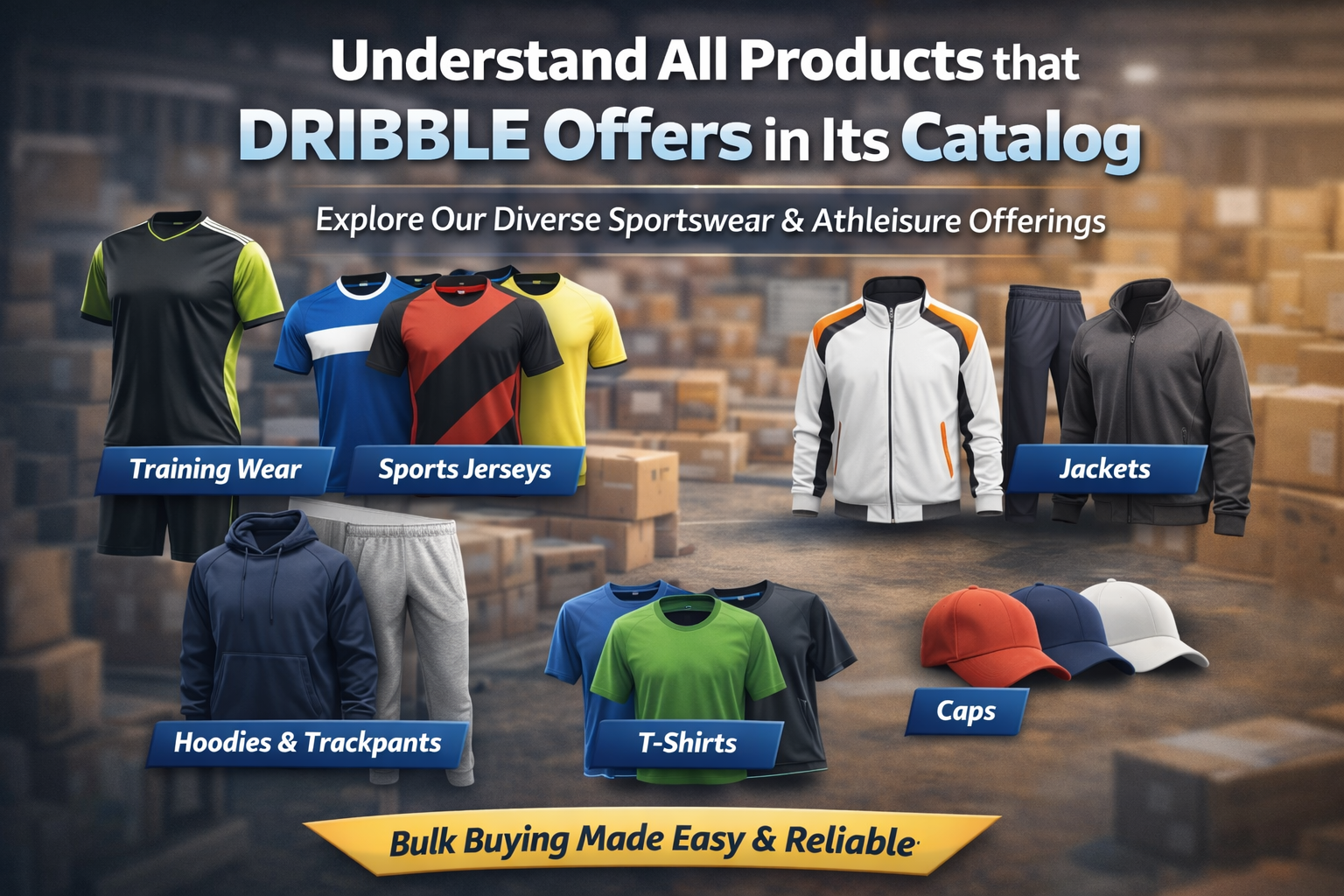
Sports Tshirts
Trackpants
Shorts
Jackets
Pullovers
Rainwear
Team Uniforms
Better Margin Opportunities
Every additional layer in a supply chain typically adds cost.
By sourcing closer to the manufacturer, retailers often gain greater pricing transparency and better opportunities to improve profitability.
The goal is not simply to find the cheapest product.
The goal is to find the right balance between:
Quality
Price
Availability
Customer satisfaction
Easier Product Customization
Modern consumers increasingly expect personalized products.
Retailers today often receive requests for:
Logo printing
Club branding
School names
Team uniforms
Corporate merchandise
Custom sportswear
A direct-to-retailer model can make these customization requirements easier to manage because retailers are working closer to the production ecosystem.
Why Ready Stock Matters
For many retailers, inventory availability can be more valuable than price alone.
A product that is available today often generates more business value than a slightly cheaper product that takes weeks to arrive.
Ready stock sportswear allows retailers to:
Reduce stock-out situations
Test new categories
Respond to seasonal demand
Launch products faster
This flexibility is increasingly important in today's competitive apparel market.
Direct Factory Commerce (DFC): The Next Evolution
At DRIBBLE Sports, we believe the future of sportswear sourcing lies in what we call:
Direct Factory Commerce (DFC)
DFC combines:
Manufacturing
Ready inventory
Ecommerce ordering
Customization support
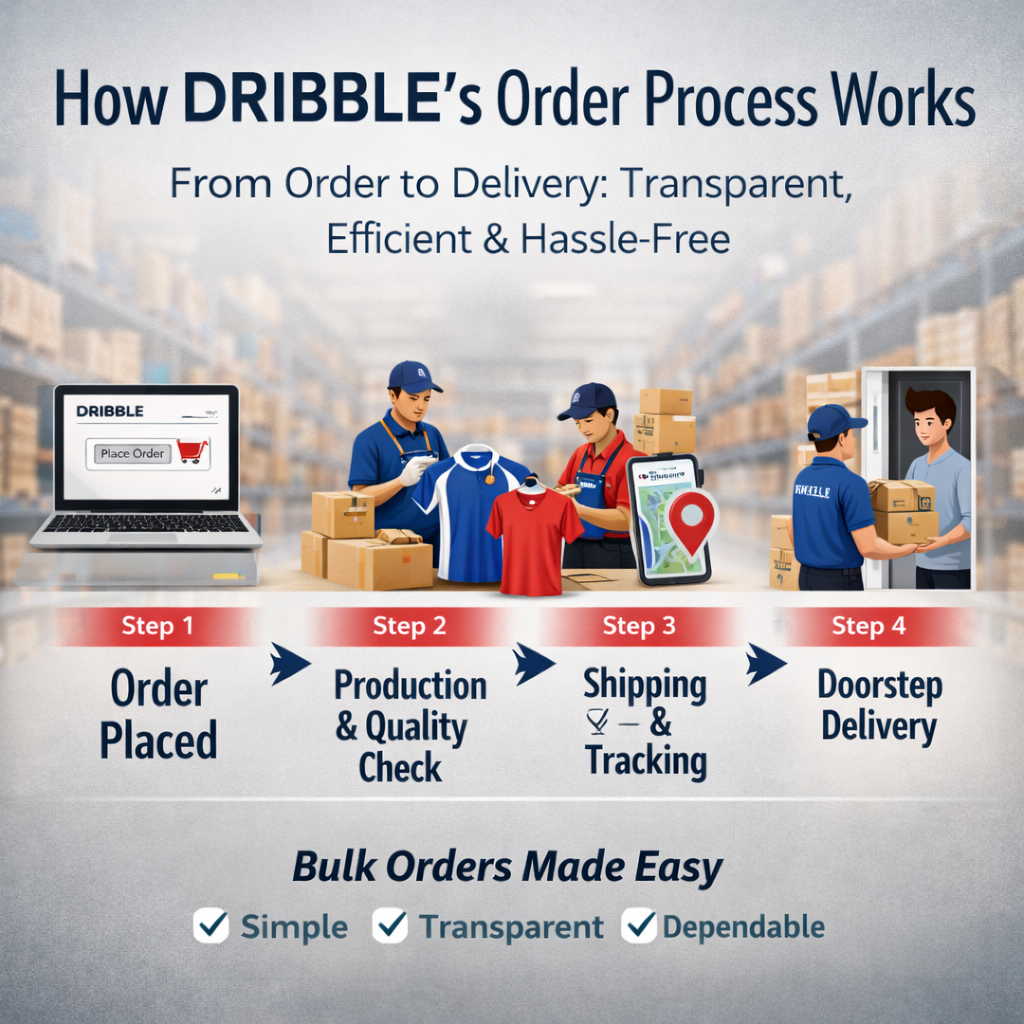
Fulfillment
within a connected ecosystem.
Instead of navigating multiple sourcing layers, retailers gain access to products, customization capabilities, and inventory visibility through a more streamlined process.
This helps reduce sourcing friction while improving operational efficiency.
Who Benefits Most From Direct-to-Retailer Sportswear Supply?
This model is particularly useful for:
Sportswear Retailers
Ecommerce Sellers
Wholesalers
Distributors
Startup Brands
Sports Academies
Institutional Suppliers
Whether you're operating a physical store, an online business, or supplying organizations, direct sourcing can help improve speed, flexibility, and customer service.
Final Thoughts
Retail is evolving.
Customers expect better products, faster availability, and more customization than ever before.
To meet these expectations, retailers need sourcing systems that are transparent, responsive, and scalable.
Direct-to-retailer sportswear sourcing is not just about reducing supply chain layers.
It's about creating a smarter way to buy, stock, customize, and grow.
As the sportswear industry continues to evolve, retailers who embrace direct sourcing models will likely be better positioned to respond to market demand and build stronger businesses.